
Bathtub advice · 7 min read
How long does bathtub reglazing actually last?
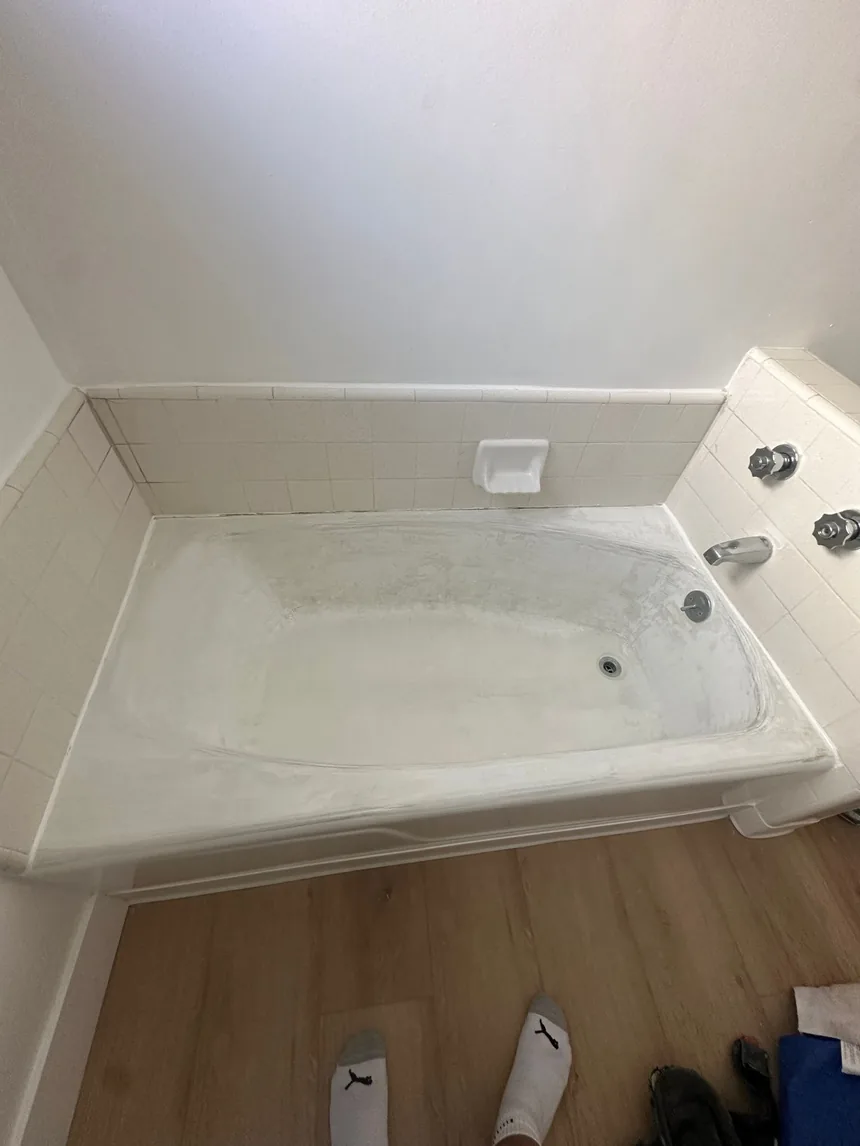
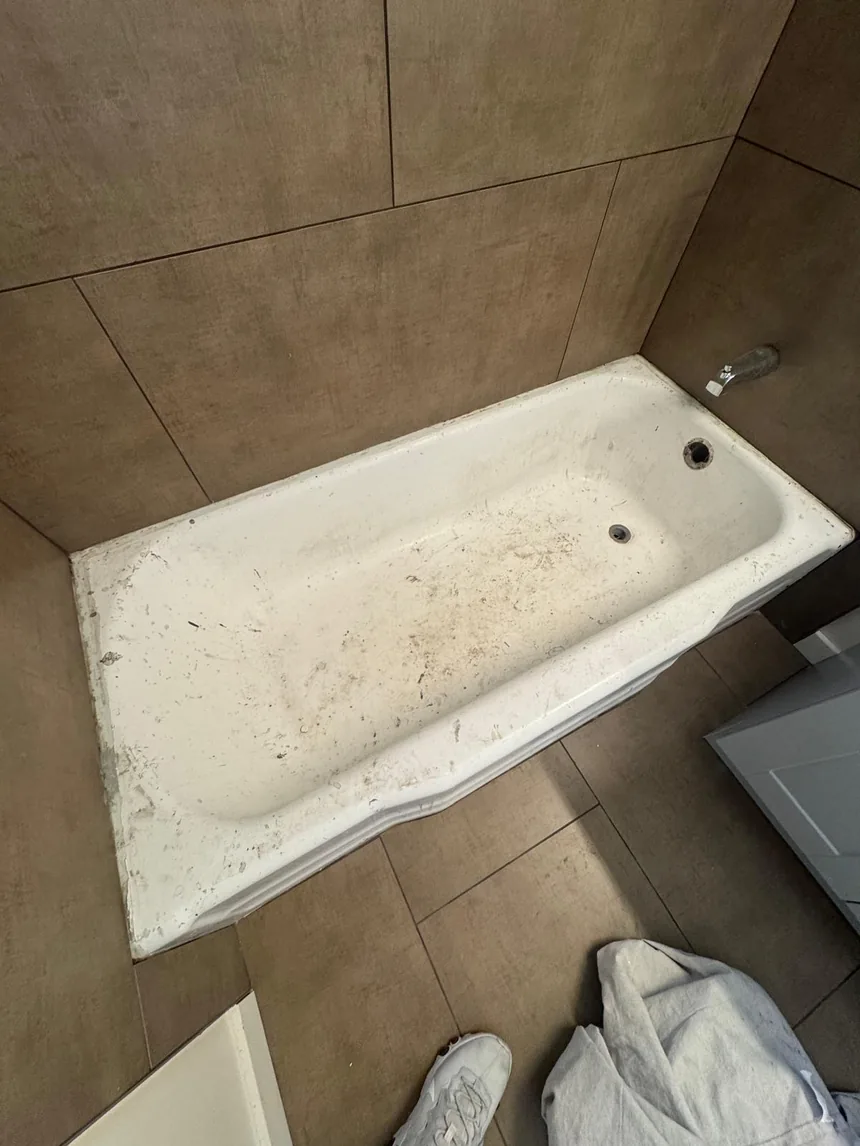 Before
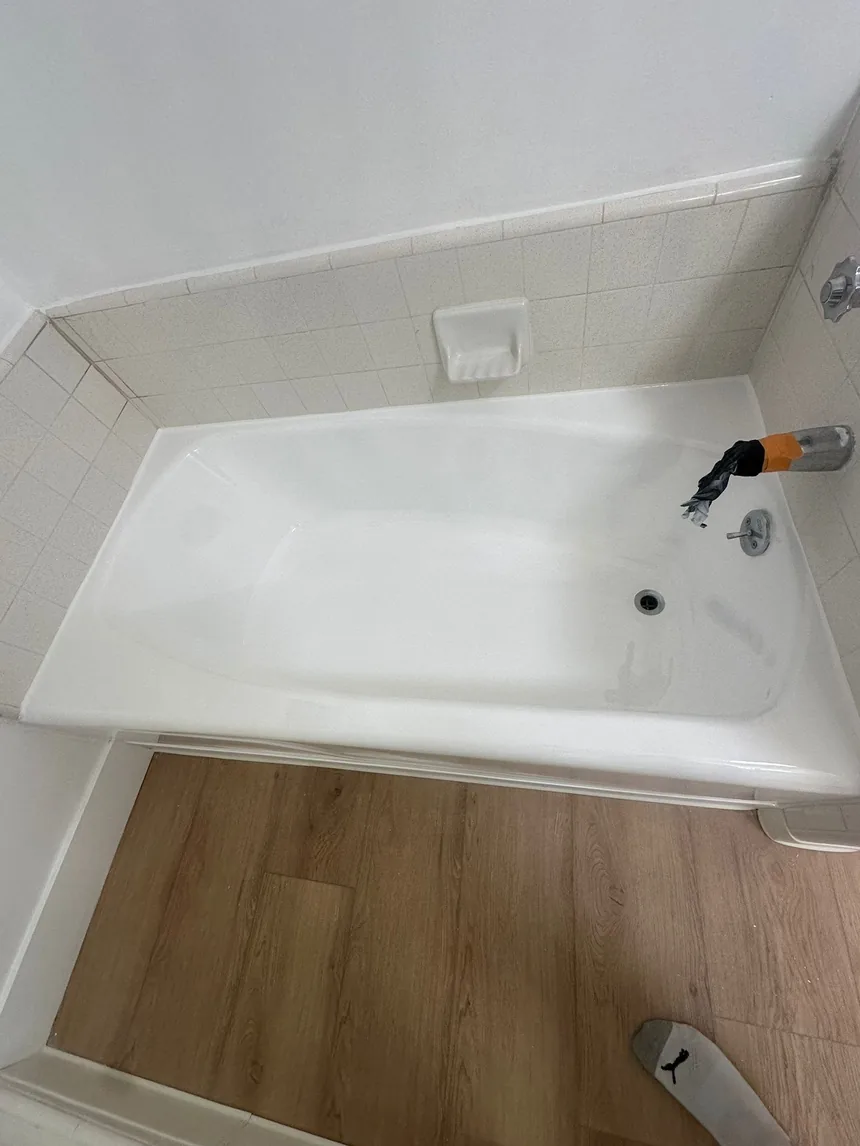
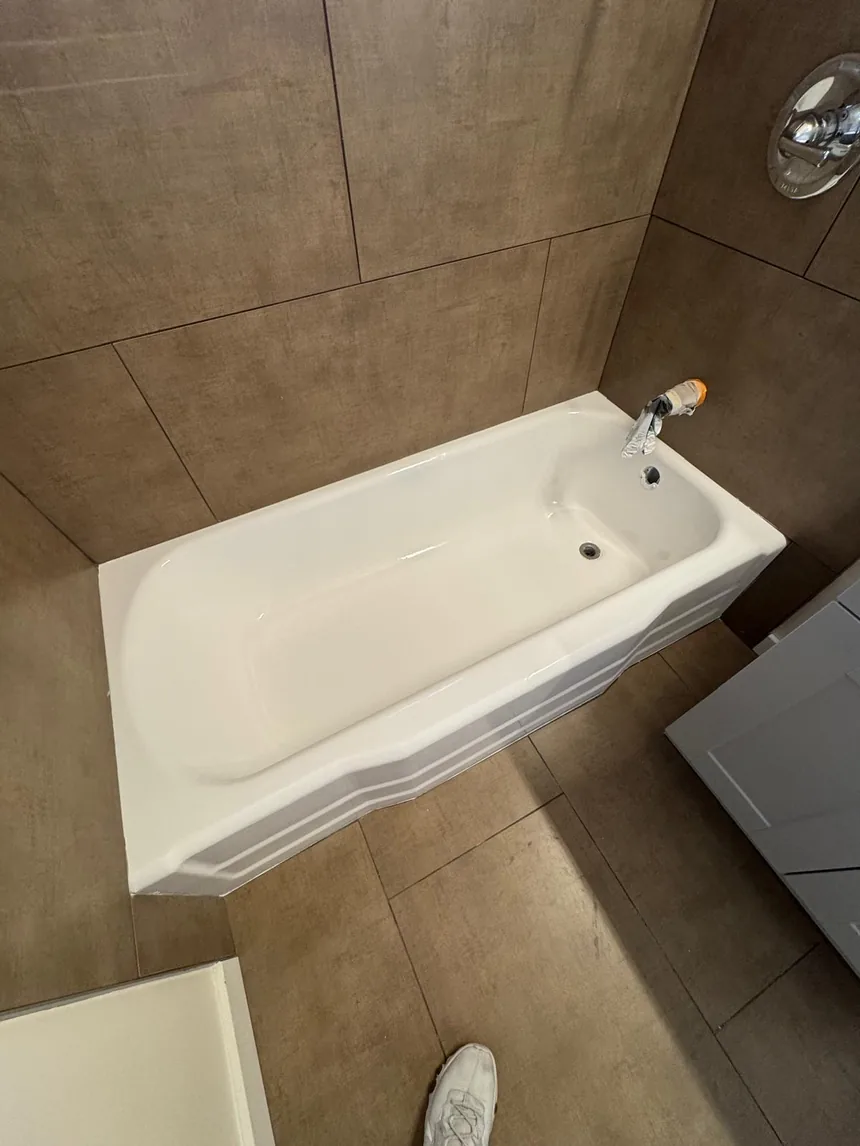 After
After
This is the question everybody asks second, right after the price, and it's the one the industry answers worst. You'll see "ten to fifteen years" repeated on every website in the trade, including by people whose work won't survive two. So here is what that number actually means and what moves it.
Where the ten-to-fifteen-year figure comes from
Ten to fifteen years is the range the refinishing industry generally quotes for a properly prepared, properly applied finish that's looked after normally. It isn't a guarantee and it isn't a physical constant. It's roughly what good work does.
The important thing to understand is that the spread around that number is enormous. A badly prepared tub can start failing in weeks. A well-prepared one that's cleaned sensibly can go well past fifteen years. Two tubs refinished on the same day by different people can be a decade apart in outcome, and it's almost never the coating that made the difference.
What actually decides it: three things
1. Preparation — this is most of it
A refinished surface is a layer bonded to the tub underneath. Everything about how long it lasts comes down to the quality of that bond, and the bond is created before the coating ever goes on.
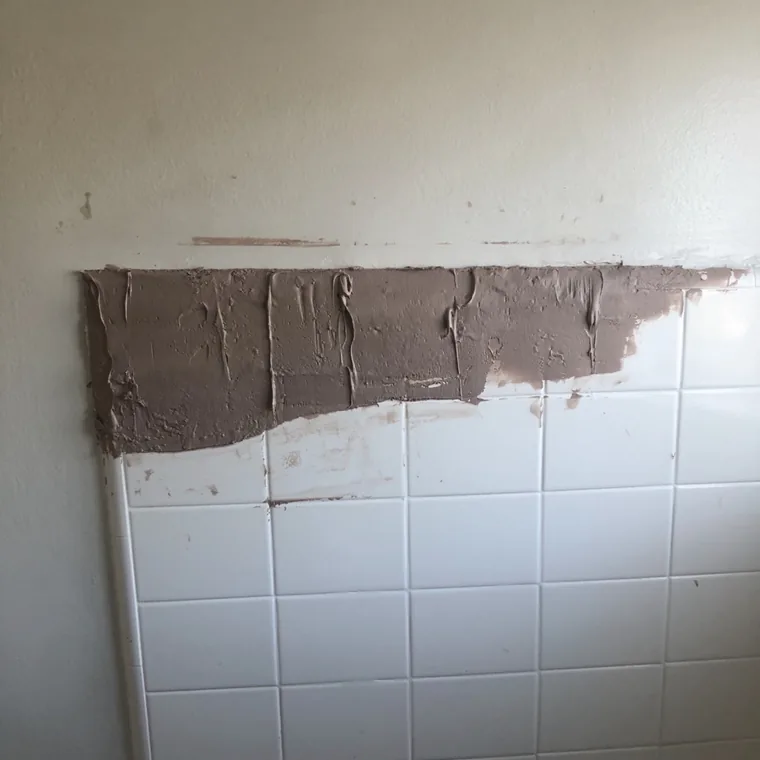
That means the surface has to be genuinely clean — not wiped, but stripped of soap residue, body oils, silicone from old caulk and any cleaning product that's soaked in. Then it has to be etched or abraded so the new finish has something to key into instead of sitting on a smooth, sealed glaze.
Skipping preparation doesn't make a tub look worse on day one. It makes it look exactly the same on day one. That's the whole problem.
You cannot see the difference when the job is finished. You see it in month two, when the finish starts lifting at the drain or along the floor of the tub — where water sits. We wrote about that failure mode in detail in why refinishing peels.
2. Whether the repairs underneath were done properly
If there was a chip through to the metal, the rust has to be cut back to sound material before it's filled. Rust left underneath a coating keeps going. It doesn't care that it's dark under there. Six months later you'll see a brown shadow spreading under the finish, and at that point the only fix is to open it up again.
The same applies to cracks in fiberglass. If the underlying flex that caused the crack hasn't been addressed, the new finish will crack along exactly the same line, because the movement is still happening.
3. How you treat it afterward
This is the part you control, and it matters more than people expect. The two things that shorten a finish's life the most are both done with good intentions:
- Abrasive cleaning. Scouring powder, cream cleansers with grit, and abrasive pads all work by sanding. Used weekly, they'll take the sheen off any finish — they did it to your original glaze too.
- Suction-cup bath mats left in place. They trap water against the surface indefinitely and grip hard enough to mark the finish when pulled up.
There's a fuller list in how to care for a reglazed bathtub, but the short version is: a non-porous surface does not need to be scrubbed. If you find yourself scrubbing, something else is wrong.
The one deadline that can't be missed
Using the tub before the finish has cured is the single most common way a good job gets ruined, and it happens in the first few days rather than the first few years.
Curing isn't drying. The surface can feel dry and still be soft underneath. Water and weight applied at that stage will leave marks that don't come out, and there's no way to fix it other than doing the job again.
Whoever does the work should give you a specific time before they start — not a range they read off a tin. Ask for it, and if you're unsure on the day, ask again rather than guessing. Ours is 24 hours, and we say it before the work starts rather than on the way out.
What "failure" actually looks like
A finish at the end of its life doesn't usually peel dramatically. It wears the same way the original glaze did:
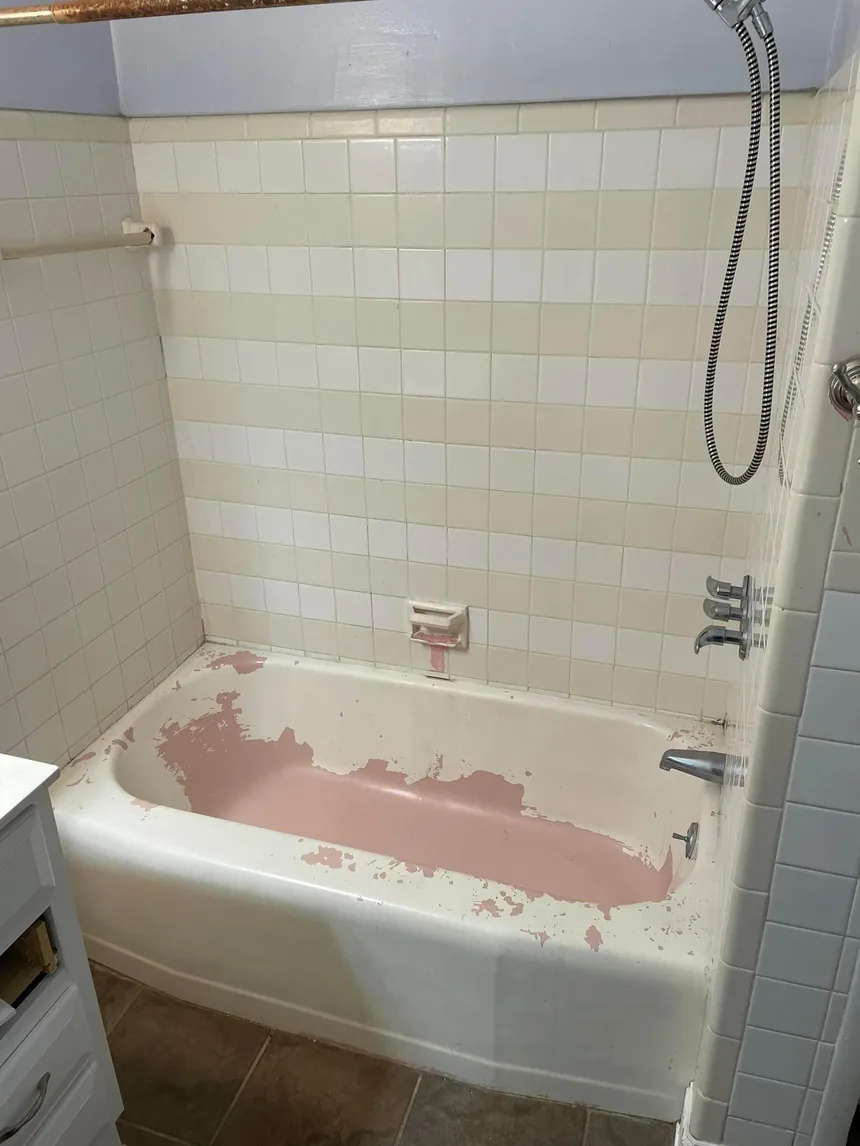
- The sheen goes flat, first on the bottom where people stand.
- It stops wiping clean and starts needing scrubbing.
- Fine scratches accumulate and hold dirt.
That's normal ageing, and the good news is that a worn refinish is refinished again the same way a worn original glaze is. You're not stuck with anything.
What isn't normal ageing: bubbling, lifting at the edges, flakes coming off in your hand, or a brown stain spreading from underneath in the first couple of years. That's a preparation failure or a repair failure, and it should be taken up with whoever did it.
The comparison that matters
Ten to fifteen years is a long time for a bathroom. Most people remodel, move, or change their mind about the color well inside that window.
 Before
 After
After
And when the finish does eventually wear, you're back at the same decision you had the first time — with a tub that is still perfectly sound underneath, because it always was.
If you want a straight answer about your own tub rather than a general one, send a photo. We'll tell you what shape the surface is actually in, and whether it even needs a full reglaze or just reconditioning.