
Before you hire · 8 min read
Nine questions to ask before you let anyone refinish your bathtub
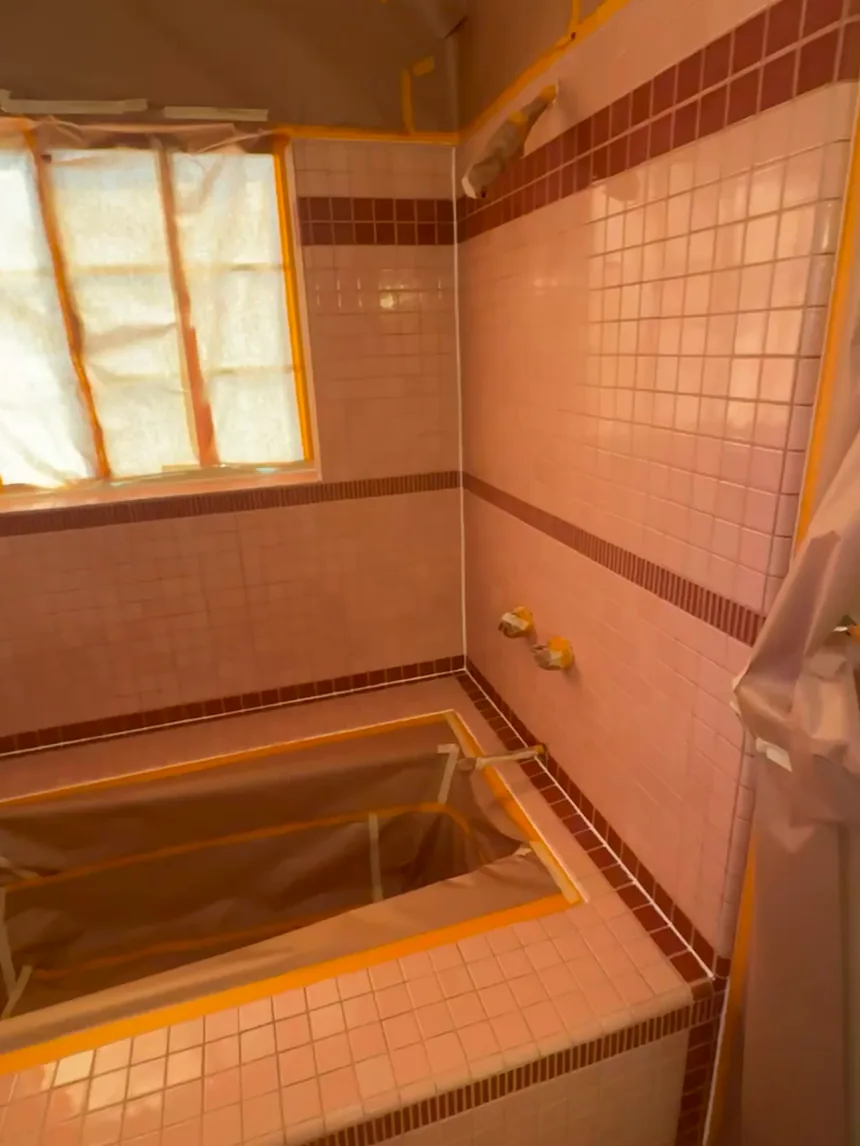
Bathtub refinishing has a low barrier to entry. The equipment isn't expensive, the job looks simple from the outside, and the difference between excellent work and work that fails in six weeks is completely invisible on the day it's finished.
That combination produces what you'd expect. There are very good refinishers in Los Angeles and there are people who will spray your tub and be unreachable by the time it lifts.
You can't inspect the result. What you can do is ask questions, and the answers sort people out surprisingly fast.
1. "What exactly do you do to the surface before you spray?"
This is the most important question on the list, because preparation is most of the job and it's the part that gets skipped.
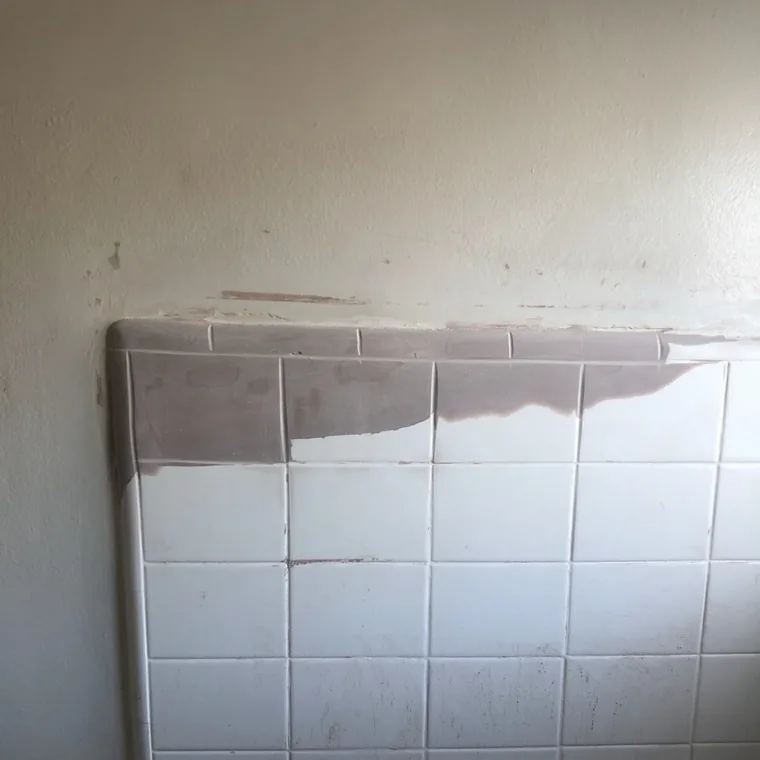
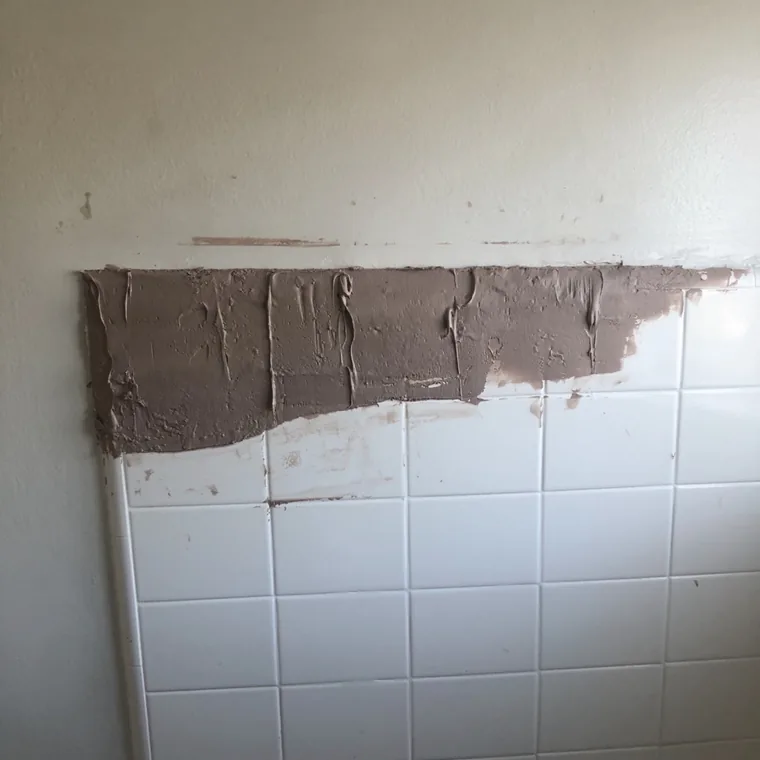
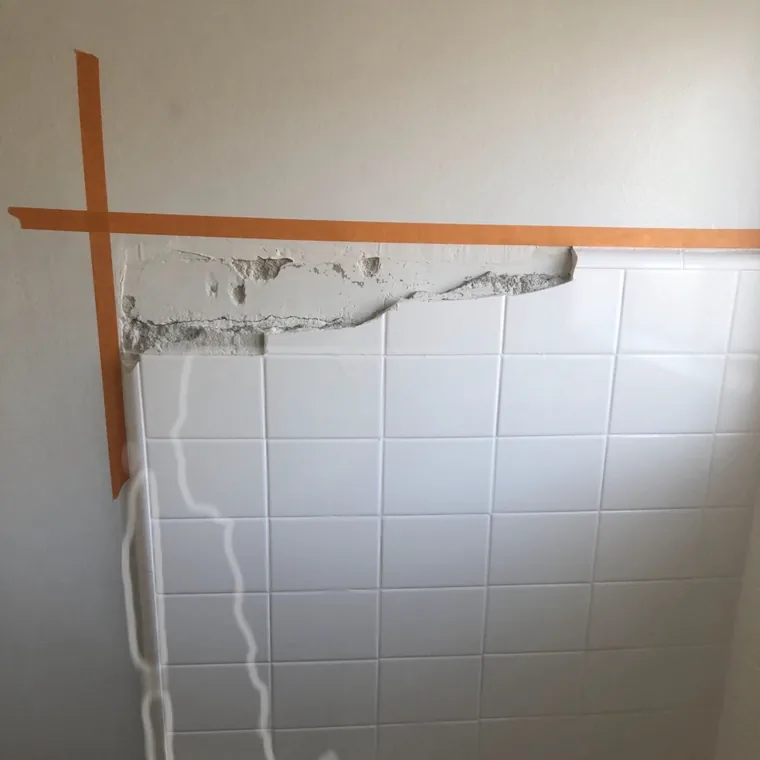
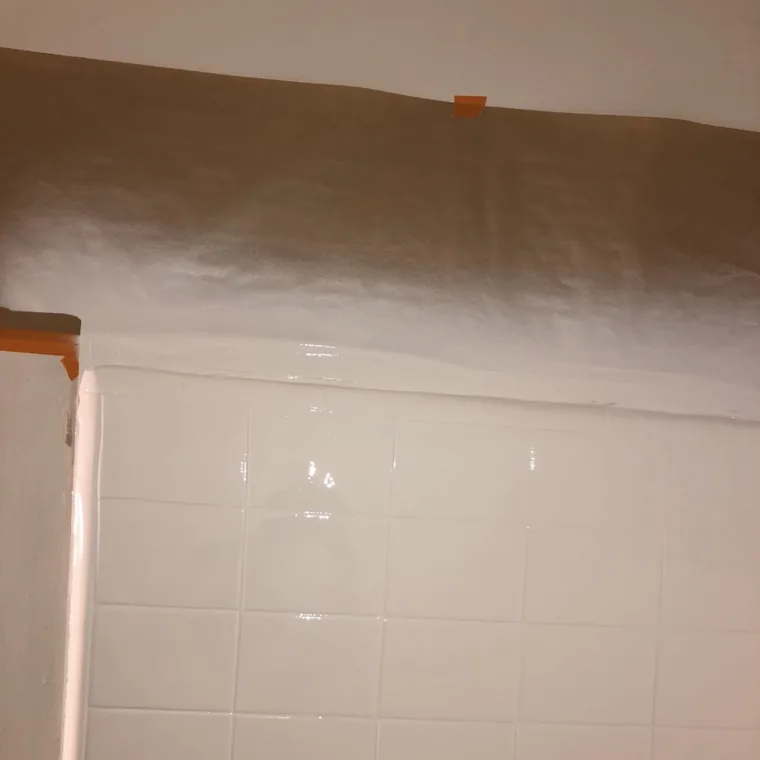
A good answer is specific and a bit boring: cleaning and decontaminating, removing old caulk, repairing chips and rust, then etching or abrading so the finish has something to key into. A bad answer is short, vague, and moves quickly to talking about the coating.
People who do the preparation properly enjoy talking about it. It's the part they're good at.
2. "My tub has been refinished before. What does that change?"
Ask this even if you don't think it has — you often don't know.
The correct answer is that the old coating has to come off first, that this is extra work, and that it costs more. Anyone who tells you it makes no difference is planning to spray over it, and you will be paying for the same failure twice.
3. "How long will you be in my bathroom?"
You're not looking for a specific number — you're listening to the shape of the answer. If preparation and repair take longer than the spraying, the total should sound like a proper piece of work rather than a quick visit.
A job that's described as being over almost immediately is a job where most of the preparation isn't happening.
For reference, ours is 3–5 hours for a normal tub, in one visit, and longer if there's an old coating to strip.
4. "How do you protect the rest of the bathroom?"
Overspray is a fine mist that settles on everything in the room and does not come off afterward. Mirrors, chrome, tile you're not refinishing, the floor, the toilet.
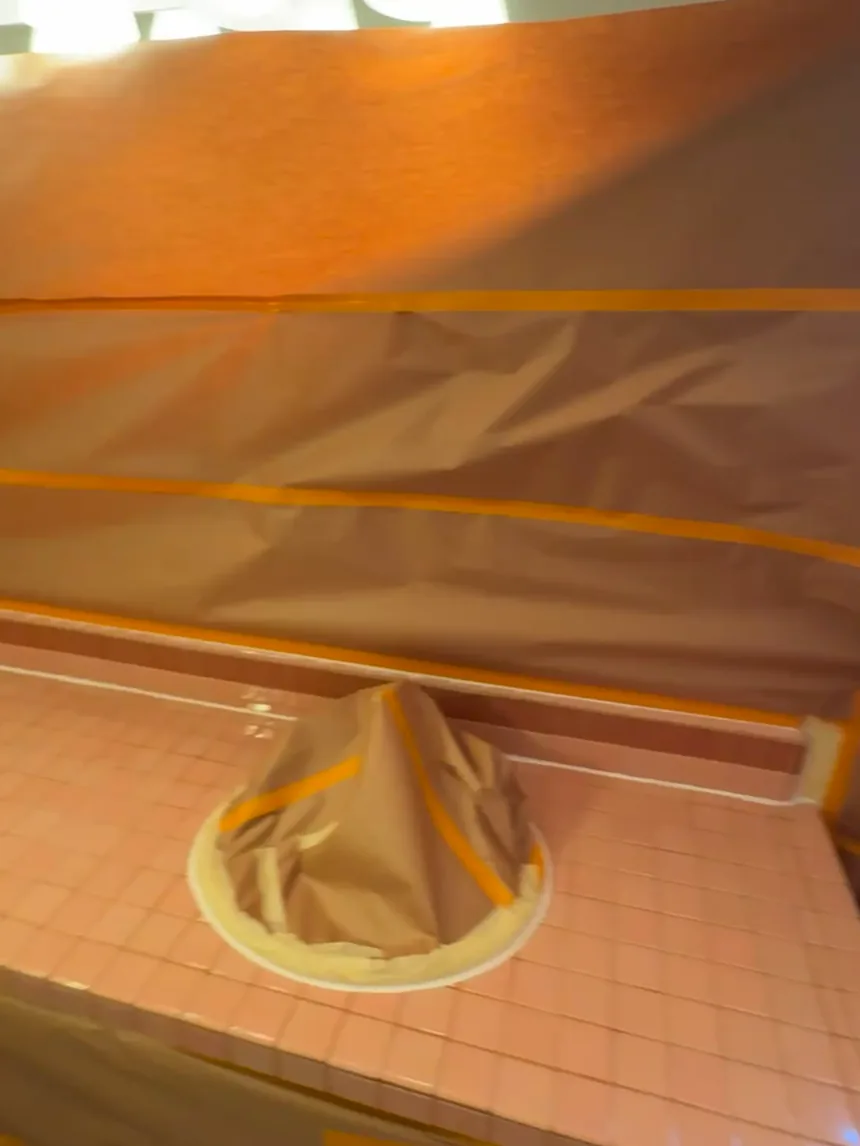
The answer should involve masking the room properly with paper and tape and ventilating it. If the answer is a dust sheet over the sink, the mist is going everywhere else.
5. "What are you using, and what should I know about it?"
You're entitled to a straight answer about what's going into your bathroom, how much it smells, how long the room needs ventilating and whether you need to be out of the house.
There's a genuine safety history in this trade around aggressive chemical strippers, and it's the reason this question matters more than it would for, say, painting a fence. You don't need to become an expert. You need to hear a confident, specific answer rather than a shrug — and you should be told what precautions are being taken, not have to ask.
Two follow-ups worth asking: what about children and pets, and how long before the room is normal again.
So that this isn't a test we set and don't sit: we use Hawk and Topkote, both low-VOC; for occupied homes and apartment buildings there's an odor-reducing additive; and we run a blower fan in the window to pull the fumes and the smell straight outside while we work. We'd rather you weren't in the house, and if you can't leave, the living room or the kitchen is fine.
6. "When exactly can I use it?"
Curing isn't drying. A finish can feel dry and still be soft underneath, and using it early is the single most reliable way to ruin an otherwise good job.
You want a specific time, given before the work starts, for your tub and your job. A number that arrives as an afterthought on the way out of the door is a number nobody has thought about.
Ours is 24 hours from when we finish, and the visit before it is 3–5 hours.
7. "What's the written price, and what would change it?"
A verbal figure over the phone isn't a quote. Ask for it in writing, and ask specifically what could make it go up — a previous coating, rust that's worse than it looked, damage found once the caulk comes off.
Everything on that list is reasonable. What isn't reasonable is finding out about it for the first time halfway through the job.
8. "Is there any reason you wouldn't do this?"
This is the best question on the list, and it's the one almost nobody asks.
There are real cases where refinishing is the wrong answer: an active leak, a tub that flexes underfoot, rust that's gone right through. A refinisher who has never turned down a job has either been extremely lucky or isn't looking.
Someone who can immediately describe the cases where they'd tell you not to bother is someone who is actually assessing your tub rather than measuring it.
9. "Can I see work you've done — the same material as mine?"
Not a gallery of stock images. Actual jobs, ideally before and after, ideally of the same material. Cast iron, fiberglass and tile all behave differently, and someone who mostly does one may be learning on yours.
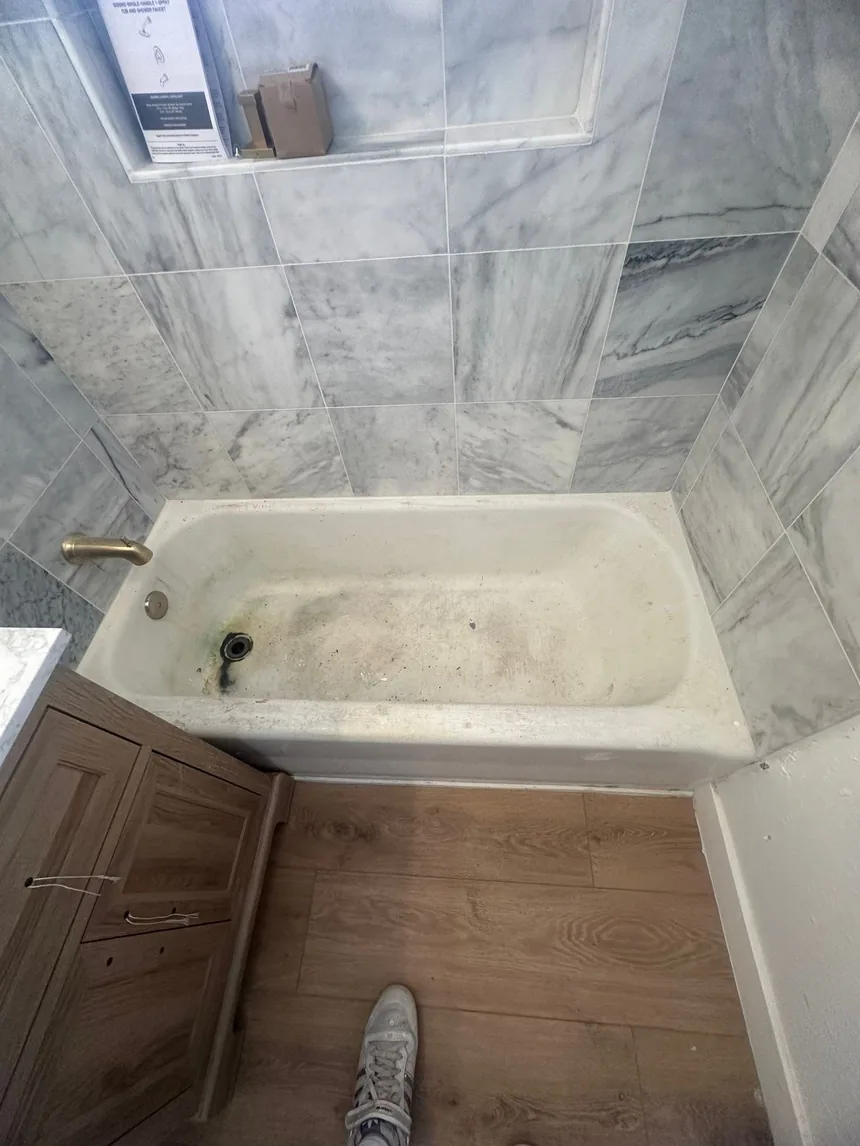 Before
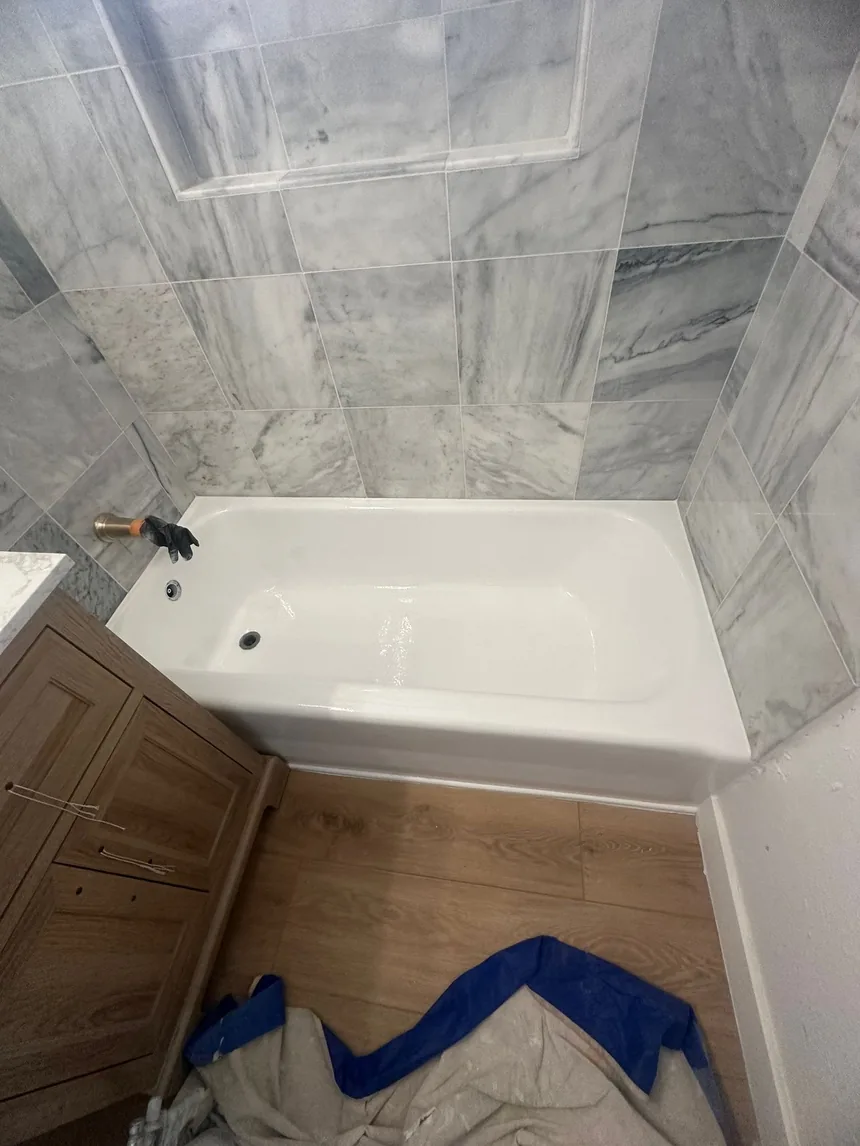 After
After
Watch for before-and-after pairs that don't match — different bathroom, different angle, different tub. Ours are on the work page, shot from the same spot.
Two things that aren't reliable signals
- The lowest price. The savings in this trade come from skipping preparation, and preparation is what you're actually buying.
- The longest warranty. A long warranty from someone unreachable in two years is a piece of paper. Ask what it covers, in writing, and what voids it.
And one that is
How someone talks about the jobs they've turned down. It's very hard to fake, it takes ten seconds to ask, and it tells you more than the rest of the list put together.
Ask us all nine. That's what the free estimate is for.